Understanding Policy Limitations
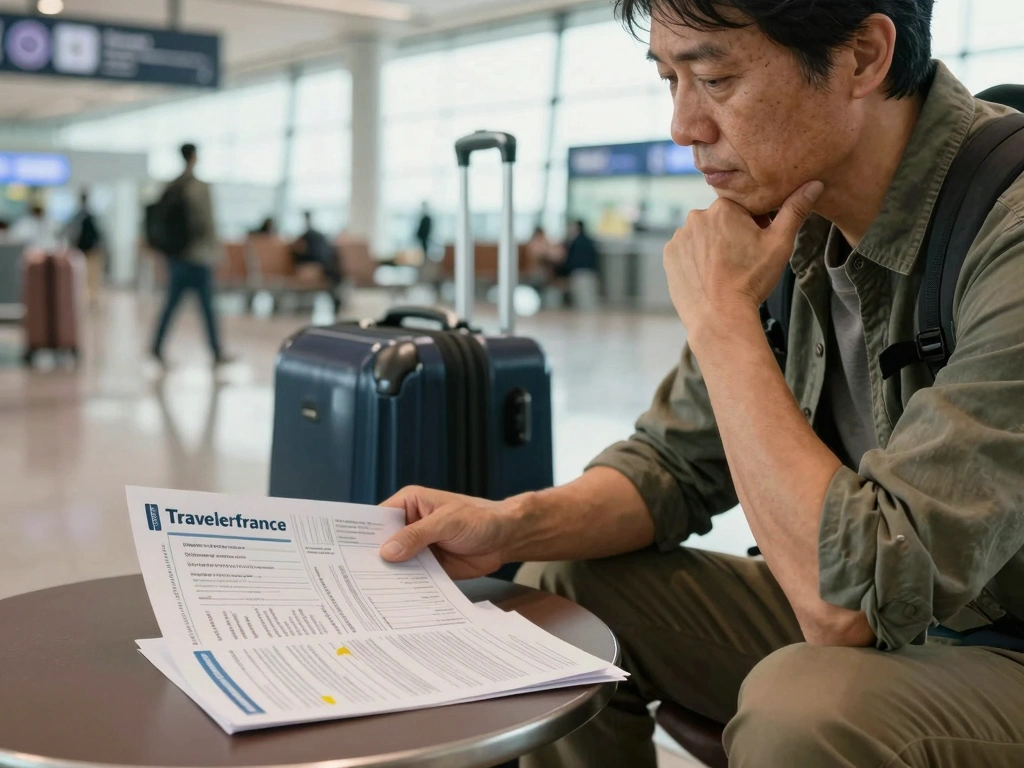
Travel insurance is an essential safeguard for globetrotters, but many travelers find themselves perplexed when claims are only partially paid. Understanding the intricacies of travel insurance policies can illuminate why this happens and how to navigate these challenges effectively.
Common Exclusions in Travel Insurance Policies
Most travel insurance policies come with a laundry list of exclusions that can significantly impact the claim process. Common exclusions often include:
- Pre-existing medical conditions: Many policies do not cover medical emergencies arising from pre-existing conditions unless explicitly stated.
- High-risk activities: Engaging in activities like bungee jumping or scuba diving may void coverage.
- Traveling to high-risk countries: Some insurers exclude coverage if you travel to regions under travel advisories.
- Failure to mitigate loss: If a traveler fails to take reasonable steps to prevent further loss after an incident, claims may be partially denied.
Knowing these exclusions is crucial. For example, if a traveler with a history of heart issues experiences a heart attack and files a claim, they may find their claim declined due to the pre-existing condition exclusion.
How Coverage Limits Affect Claim Payouts
Every travel insurance policy has specific coverage limits that dictate the maximum amount payable for various types of claims. For instance, a policy might cover medical expenses up to $50,000. If a traveler incurs $70,000 in medical bills due to an accident abroad, the insurer will only pay the capped amount, leaving the traveler responsible for the remaining $20,000.
Similarly, if a traveler’s luggage is lost, and their policy has a limit of $1,500 for lost belongings, any claim exceeding this amount will be partially paid. If the total value of lost items is $2,000, the traveler will only receive $1,500.
The Impact of Deductibles on Claim Amounts
Many travel insurance policies include deductibles, defined as the amount the policyholder must pay out of pocket before the insurance kicks in. For example, if a policy has a $500 deductible and a traveler incurs $1,500 in medical costs, the insurer will only cover $1,000 of the expenses. This can lead to misunderstandings, especially if travelers are not fully aware of their policy’s deductible structure.
Understanding how deductibles work is essential to avoid surprises during the claims process. It’s important for travelers to review their policy before departure and clarify any gray areas with their insurer.
The Role of Documentation in Claim Processing
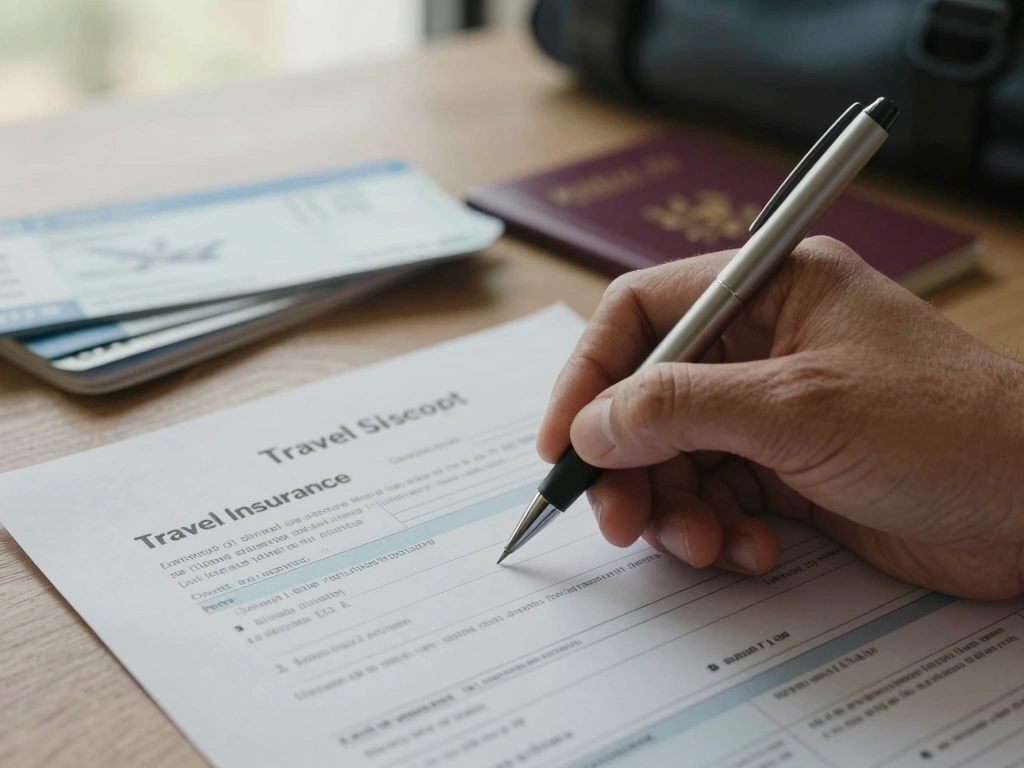
Documentation is the backbone of the claims process. Insurers require specific paperwork to validate claims, and the absence of required documents often results in partial payments.
Required Documentation for Successful Claims
To file a successful claim, travelers typically need to provide the following:
- Proof of travel: Flight itineraries, boarding passes, or hotel bookings.
- Medical reports: Diagnosis and treatment details from healthcare providers.
- Receipts: Itemized bills for any expenses incurred, such as medical treatment or lost luggage replacements.
- Incident reports: Documentation from authorities, such as police reports in case of theft or accidents.
For instance, if a traveler experiences a medical emergency and fails to submit a medical report from the treating physician, their claim may be partially paid or denied altogether.
How Incomplete Paperwork Leads to Partial Payments
Insurers are stringent about documentation. If a traveler submits incomplete paperwork or missing information, this can lead to partial payments. For example, if a claim for lost luggage is submitted without the original receipts for the items purchased, the insurer may only pay a fraction of the total claim, interpreting the lack of receipts as insufficient proof of value.
The Importance of Timely Submission of Claims
Travel insurance policies often have strict timelines for claims submission. Failing to submit claims within the specified period can lead to partial or complete denial. For example, a policy may require claims to be filed within 30 days of the incident. If a traveler submits their claim 45 days after their luggage was lost, they might receive only a partial payment or no payment at all. Timely submission is critical to ensuring full claim consideration.
Factors Influencing Claim Approval Rates
Beyond policy limitations and documentation, several factors can influence the approval rates of travel insurance claims, leading to partial payments.
Pre-existing Conditions and Their Impact on Claims
As noted earlier, pre-existing conditions are a common exclusion in many travel insurance policies. However, even if a condition is not disclosed, its presence can still affect claims. For instance, if an individual with a known heart condition suffers a heart attack while traveling, their claim might be partially paid, or denied based on the insurer's assessment of whether the condition was adequately disclosed.
The Role of Insurer Investigation in Claims Processing
Insurers typically conduct thorough investigations into claims to verify their legitimacy. This can involve contacting healthcare providers, reviewing incident reports, and checking travel history. If discrepancies arise during this investigation, claims may be partially paid. For instance, if a traveler claims their trip was canceled due to illness but the insurer finds evidence of non-emergency travel activities during the same period, they may reduce the payout.
How the Timing of Events Affects Claim Validity
The timing of incidents can also play a significant role in claim validity. For example, if a traveler’s trip is interrupted due to a natural disaster, but the policy excludes coverage for events that were already anticipated or announced, the insurer may only partially pay or deny the claim altogether. Similarly, if a traveler submits a claim for a canceled flight due to weather conditions but the flight was canceled days in advance due to a predicted storm, the claim may not be fully honored.
Consumer Behavior and Misunderstandings
Consumer behavior plays a pivotal role in how travelers perceive and utilize their insurance policies. Misunderstandings can lead to dissatisfaction when claims are only partially paid.
Common Misconceptions About Travel Insurance Coverage
Many travelers operate under misconceptions about what travel insurance covers. A frequent misunderstanding is that travel insurance covers all possible events during a trip. In reality, coverage varies widely by policy. For instance, many travelers mistakenly believe that all medical emergencies are covered, not realizing the implications of pre-existing condition clauses.
How Travelers Can Misinterpret Policy Terms
Insurance jargon can be complex and misleading. Terms like "trip interruption," "trip cancellation," and "emergency medical expenses" can lead to confusion. For instance, a traveler might think that trip interruption coverage includes all cancellations, when in fact, it may only apply to interruptions due to specific, covered reasons.
To illustrate, someone might purchase a travel insurance policy believing it covers any medical emergency, only to find out during a claim that their pre-existing condition is excluded from coverage.
The Importance of Clear Communication with Insurers
Clear communication with insurers is essential for navigating the claims process. Travelers should not hesitate to ask questions or seek clarification about their policy terms. This proactive approach can help avoid misunderstandings that could lead to partial payments. For example, if a traveler is unclear about coverage limits or exclusions, they should reach out to their insurer for clarification before filing a claim.
Strategies for Maximizing Claim Payouts
While navigating travel insurance claims can be complex, there are strategies travelers can adopt to maximize their claim payouts.
Understanding Your Policy Before Traveling
Before embarking on any journey, it’s crucial to thoroughly review your travel insurance policy. Pay close attention to coverage limits, exclusions, and the claims process. For example, if a policy includes a high deductible for medical claims, travelers might consider purchasing a supplemental policy to cover potential out-of-pocket expenses.
Best Practices for Documenting Travel Incidents
Proper documentation is key to a successful claim. Travelers should keep detailed records of all incidents, including receipts, photos, and written accounts of what occurred. For example, if luggage is lost, documenting the time and location of the incident, along with receipts for necessary purchases, can significantly bolster a claim.
When to Appeal a Partial Claim Decision
If a claim is partially paid or denied, travelers have the right to appeal the decision. This process often involves providing additional documentation or clarification regarding the claim. For instance, if a claim for medical expenses is only partially paid due to a lack of evidence regarding the necessity of treatment, providing further medical documentation may change the outcome.
Understanding the appeals process and knowing when to engage this option can help travelers ensure they receive the maximum possible payout for their claims.
In conclusion, while travel insurance serves as a safety net for travelers, understanding the nuances of policies, documentation requirements, and claims processes is crucial for ensuring full compensation. By being informed and proactive, travelers can navigate the complexities of travel insurance and avoid the frustration of partial claim payments.